Organisations today have a variety of approaches to managing software development and infrastructure operations.Three common models are DevOps, Platform Engineering, and Site ReliabilityEngineering (SRE). While there are some similarities, each has distinct goals, responsibilities, and practices.
DevOps
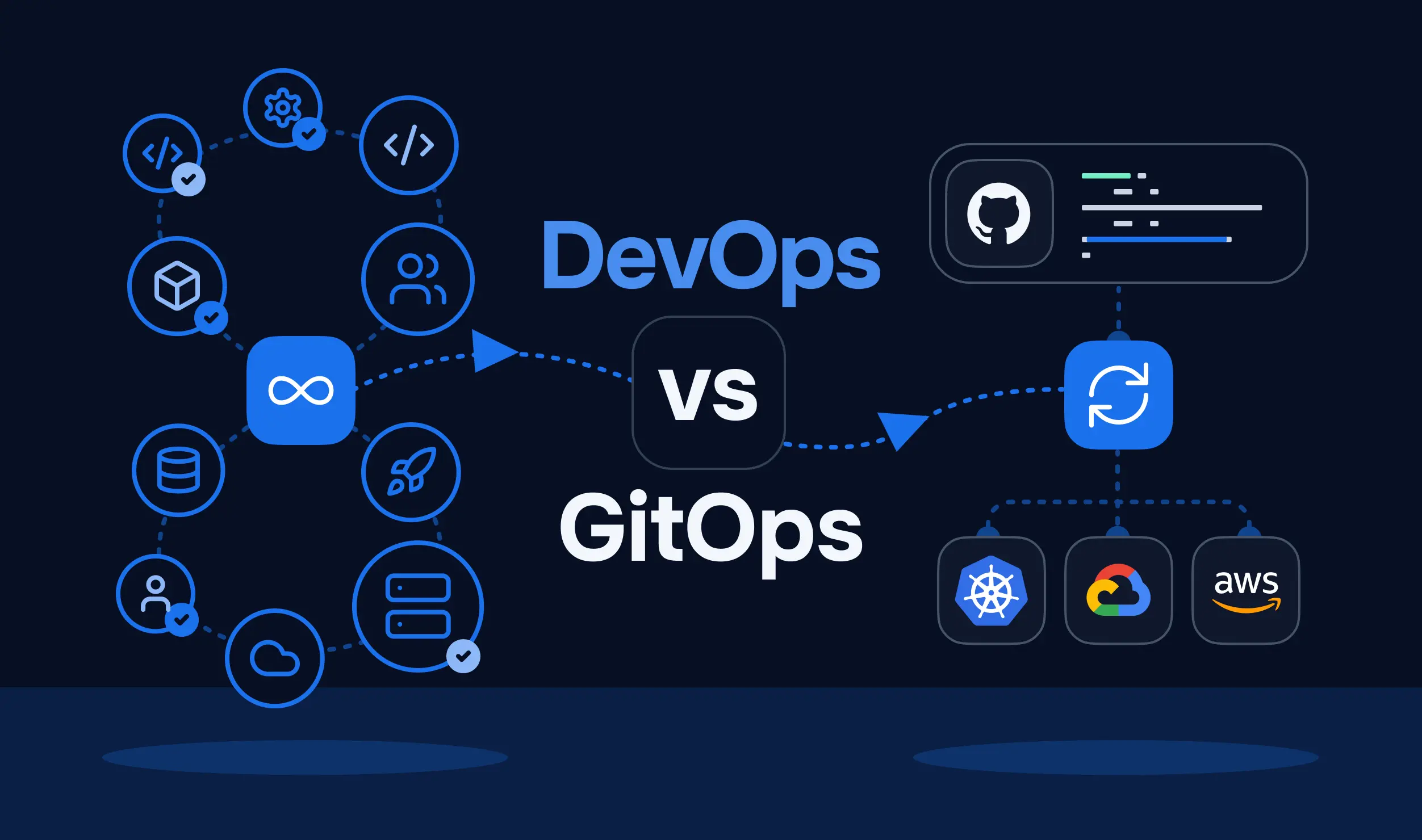
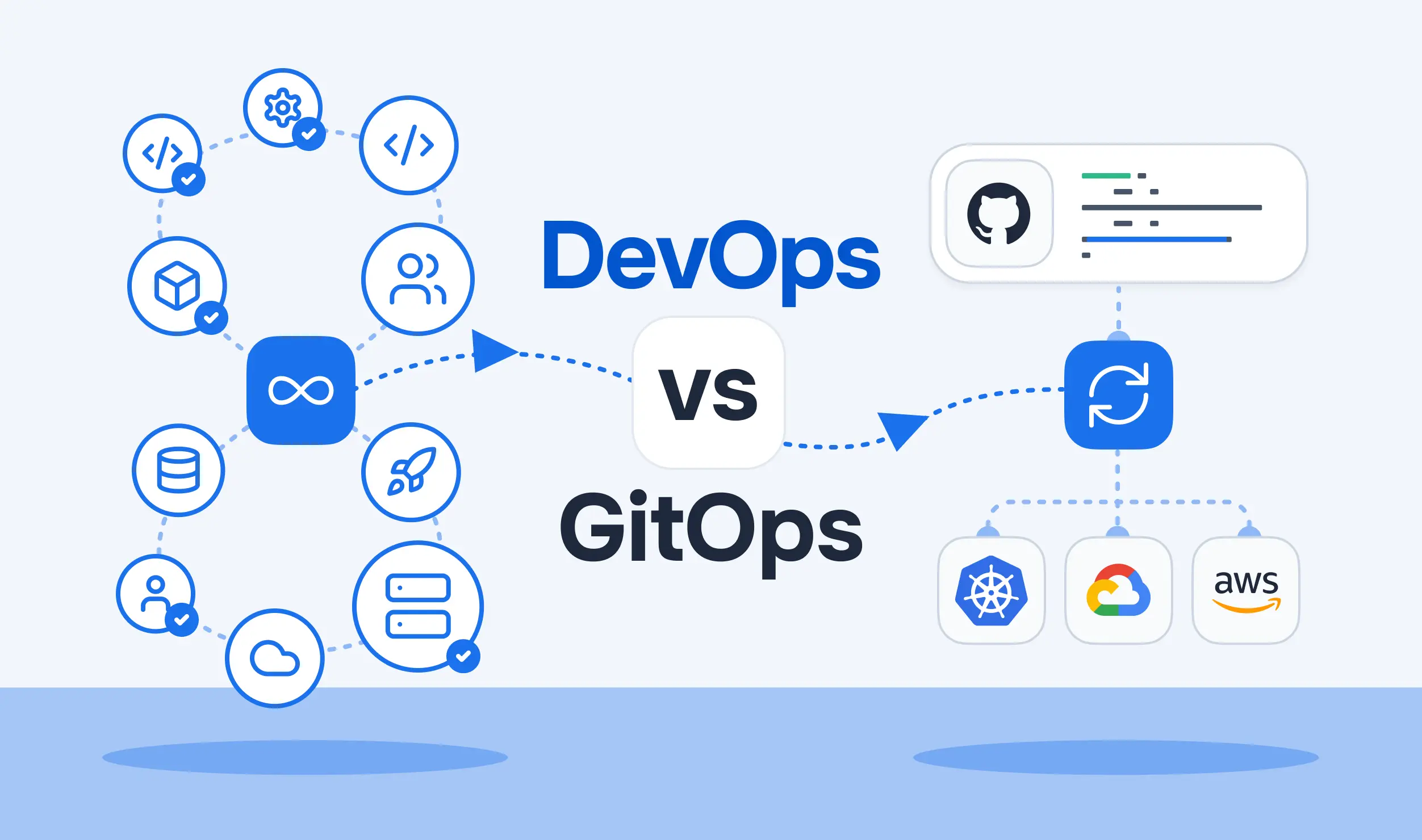
DevOps is a set of practices that combines software development (Dev) and IT operations (Ops). The goal of DevOps is to shorten the systems development life cycle and provide continuous delivery with high software quality. Key DevOps practices include:
- Automation of build, test, and deployment processes.
- Collaborative culture between development and operations teams.
- Monitoring and incident response for deployed applications.
- Rapid iteration and incremental updates.
DevOps teams often have a mix of developers, system administrators, and quality assurance engineers working together throughout the entire application lifecycle.
Platform Engineering
Platform Engineering focuses on building and maintaining internal developer platforms and tooling. The goal is to empower developers to be more productive by providing self-service infrastructure, workflows, and abstractions. Key Platform Engineering responsibilities include:
- Designing and operating infrastructure-as-a-service (IaaS) and platform-as-a-service(PaaS) offerings.
- DevelopingAPIs, dashboards, and self-service tooling for developers.
- Automating provisioning, deployment, and scaling of developer environments.
- Ensuring platform reliability, security, and compliance.
Platform Engineering teams typically have a mix of infrastructure engineers, software engineers, and product managers working together.
Site Reliability Engineering (SRE)
SRE is a software engineering discipline focused on ensuring reliable, scalable, and efficient operation of systems. The goal of SRE is to create and run highly reliable and scalable distributed computing systems. Key SRE responsibilities include:
- Designing, building, and operating large-scale, massively distributed, fault-tolerant systems.
- Automating operations tasks to reduce toil and human error.
- Implementing proactive monitoring, incident response, and disaster recovery.
- Capacity planning, performance optimisation, and cost management.
SRE teams are often composed of software engineers with strong systems and operations experience.
Comparison
While DevOps, Platform Engineering, and SRE have some overlapping responsibilities, there are key differences:
- Focus: DevOps emphasises collaboration between development and operations. Platform Engineering focuses on developer productivity. SRE focuses on reliability and scalability of production systems.
- Ownership: DevOps teams own the full application lifecycle. Platform Engineering teams own the developer platform. SRE teams own the reliability and performance of production systems.
- Skillsets: DevOps combines development and operations skills. Platform Engineering requires software engineering and product management skills. SRE requires software engineering and deep systems expertise.
Ultimately, these approaches are complementary and many organisations adopt a hybrid model, leveraging aspects of each to meet their specific needs.